The Rise of Eco-Friendly Buses in Australia: What You Need to Know


Understanding the Eco-Friendly Bus Movement
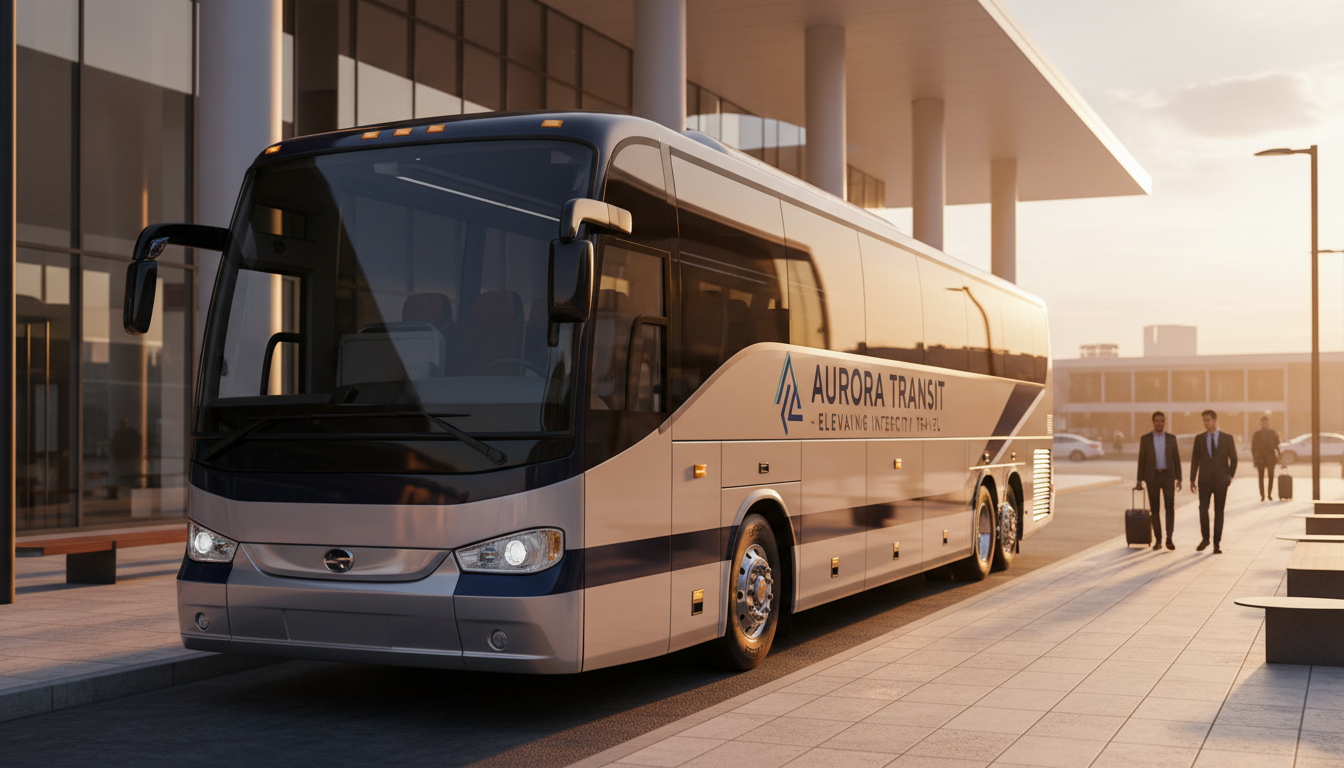
As cities around the world strive to combat climate change, Australia has taken significant strides in promoting eco-friendly public transportation. A major part of this movement is the introduction and expansion of eco-friendly buses, which aim to reduce carbon emissions and improve air quality. These buses are becoming a familiar sight on Australian roads, marking a shift towards more sustainable urban mobility.

Why Eco-Friendly Buses Matter
The transportation sector is one of the largest contributors to greenhouse gas emissions globally. By adopting eco-friendly buses, Australia is making a bold statement in its commitment to sustainability. These buses typically run on alternative fuels such as electricity, hydrogen, or biodiesel, which significantly reduce their carbon footprint compared to traditional diesel-powered buses.
Eco-friendly buses not only help in reducing emissions but also offer quieter rides, which can greatly enhance the quality of life in urban areas by reducing noise pollution. This shift is crucial for cities aiming to create healthier living environments for their residents.
Types of Eco-Friendly Buses in Australia
Australia’s eco-friendly bus fleet is diverse, encompassing several types of environmentally friendly technologies. Here are some of the most common types:
- Electric Buses: Powered entirely by electricity, these buses offer zero-emission transport.
- Hydrogen Fuel Cell Buses: These use hydrogen to generate electricity, emitting only water vapor as a byproduct.
- Biodiesel Buses: These buses run on biodiesel made from renewable resources, reducing dependence on fossil fuels.
Benefits for Urban Communities
The benefits of eco-friendly buses extend beyond environmental advantages. For urban communities, the introduction of these buses can lead to improved public health due to cleaner air. Additionally, they present opportunities for economic growth by creating jobs in manufacturing, maintenance, and technology development.
Moreover, these buses can contribute to reduced operational costs over time. While the initial investment might be higher, the savings on fuel and maintenance can make them a cost-effective solution in the long run.
Challenges and Considerations
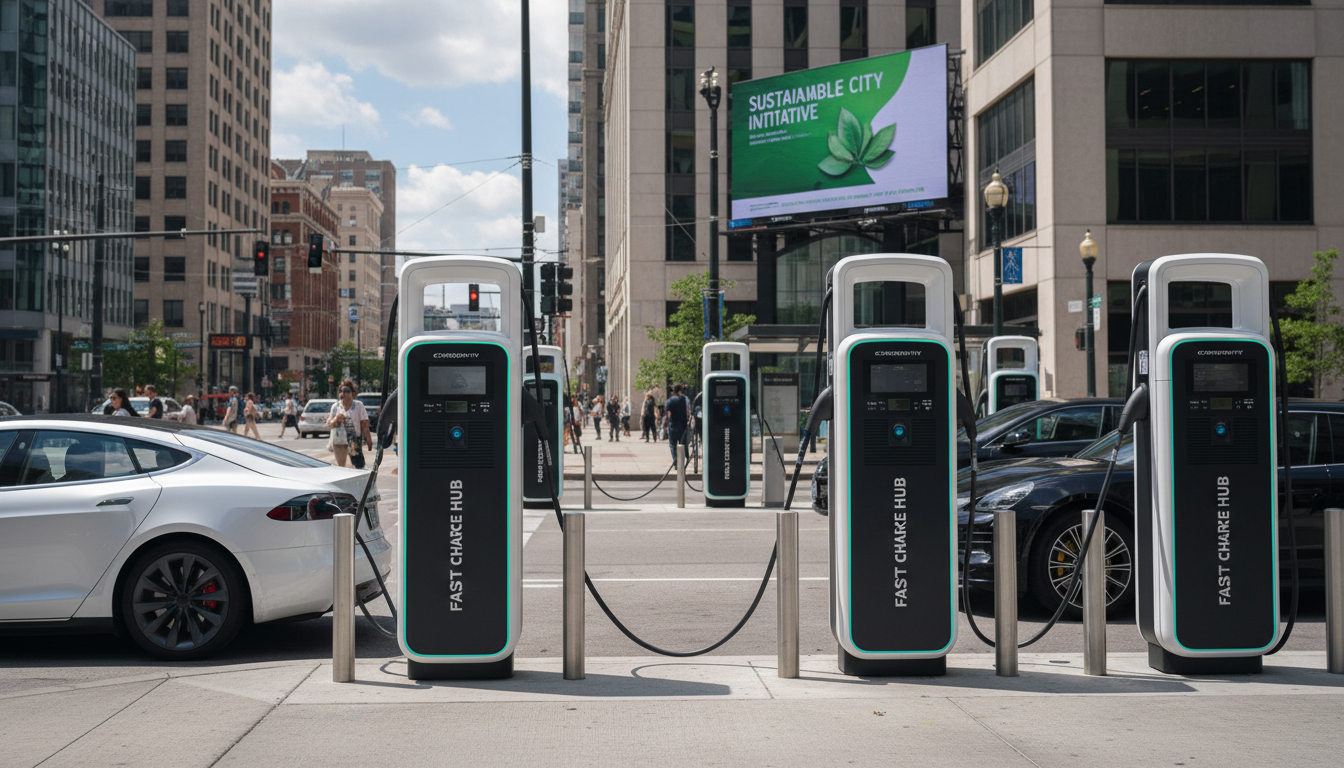
Despite the many benefits, there are challenges associated with the implementation of eco-friendly buses. Infrastructure development, such as charging stations for electric buses and hydrogen refueling stations, is essential. Additionally, the transition requires substantial investment and careful planning.
It's also important to consider the lifecycle impact of these buses, including the sourcing and disposal of batteries, to ensure that they remain a sustainable option throughout their use.
The Future of Eco-Friendly Buses in Australia
Australia is poised for a significant transition in its public transportation system. As technology advances and the cost of alternative fuels decreases, the adoption of eco-friendly buses is expected to accelerate. Government policies and incentives will play a crucial role in supporting this movement.
Ultimately, the rise of eco-friendly buses in Australia represents a promising step towards a sustainable future, benefiting both the environment and urban communities.