Expert Insights: The Future of Bus Transport in Australia


Current Trends in Bus Transport
The landscape of bus transport in Australia is undergoing significant transformation. With the rise of urbanization and the pressing need for sustainable solutions, public transport systems are evolving rapidly. Buses, being a crucial part of public transit, are at the forefront of these changes. Recent trends indicate a shift towards more environmentally friendly and efficient systems.
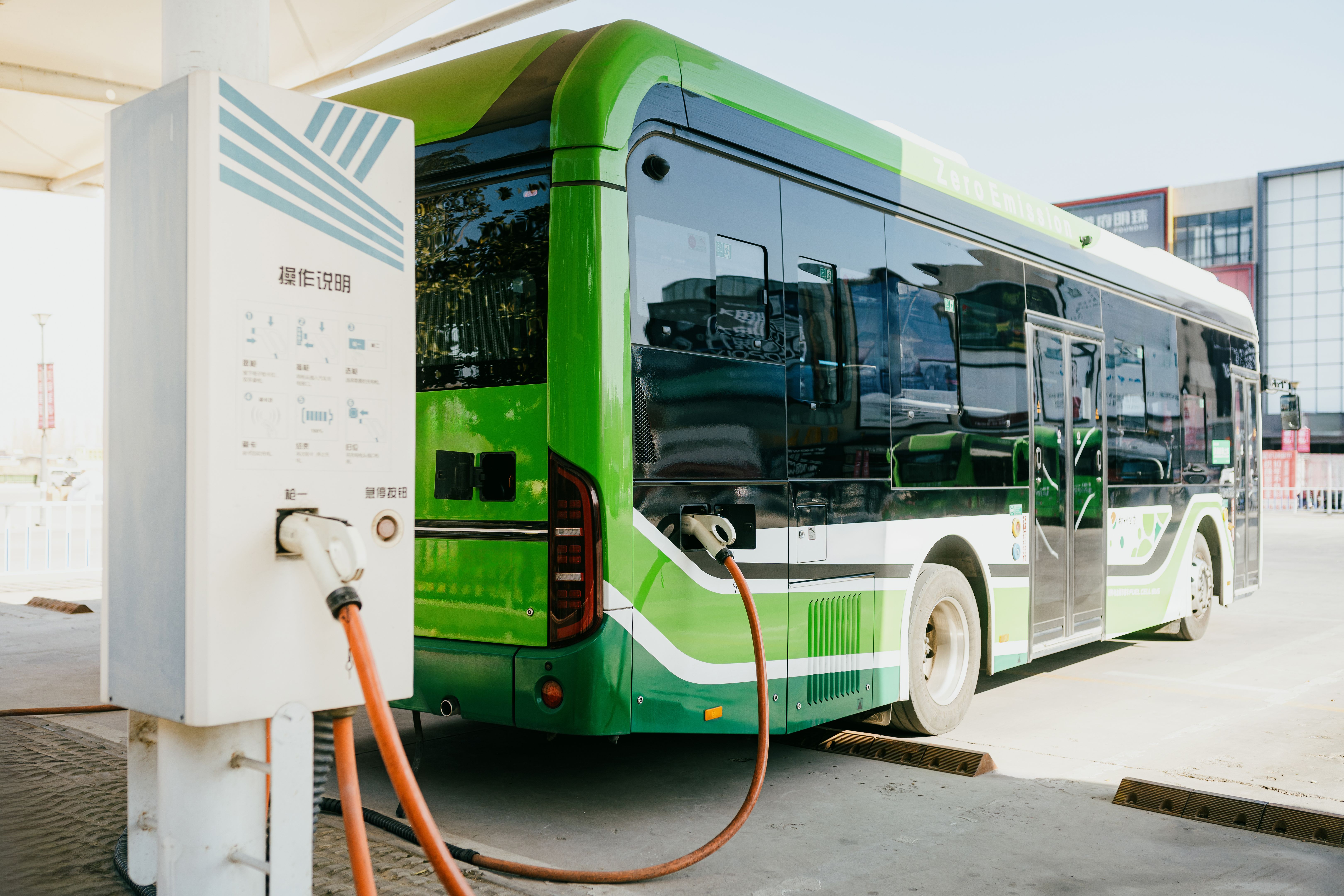
One of the most notable changes is the integration of electric buses. These eco-friendly alternatives are gaining popularity due to their reduced carbon footprint and lower operating costs. Cities like Sydney and Melbourne are already leading the charge in implementing electric bus fleets, setting an example for other regions.
The Role of Technology
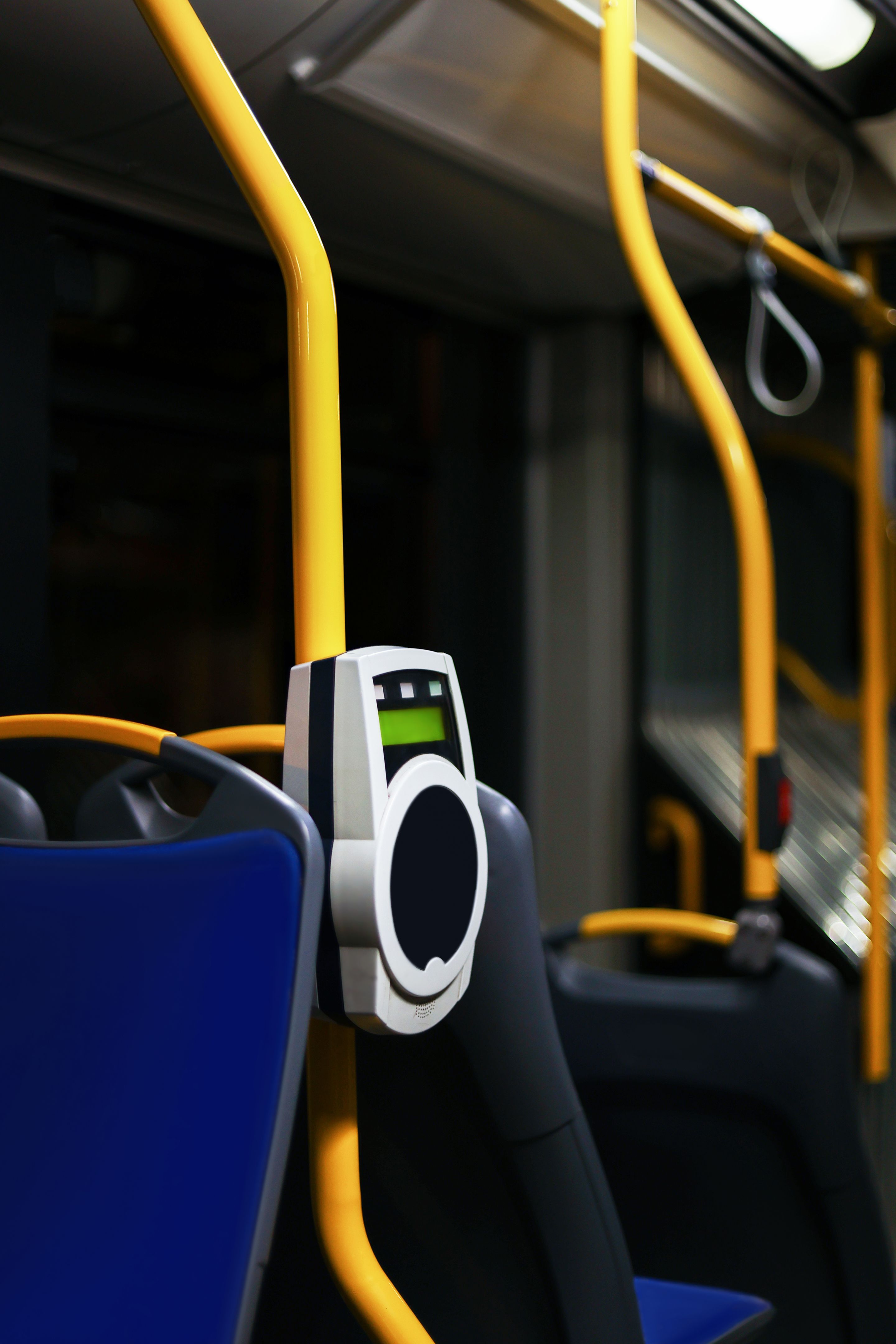
Technology is playing a pivotal role in shaping the future of bus transport. The introduction of smart technologies, such as real-time tracking and mobile ticketing, is enhancing the passenger experience. These innovations contribute to a more seamless and efficient journey, encouraging more people to use public transport.
Additionally, advanced data analytics are being used to optimize routes and schedules. By analyzing passenger flow and traffic patterns, transport authorities can make informed decisions to improve service reliability and efficiency. This data-driven approach ensures that resources are allocated effectively, reducing wait times and enhancing overall service quality.
Challenges and Opportunities
While the future of bus transport in Australia looks promising, several challenges need to be addressed. Infrastructure development is a significant concern, as existing systems must be upgraded to accommodate new technologies and increased capacity. Collaboration between government agencies and private sectors is crucial to overcome these hurdles.
On the other hand, these challenges present opportunities for innovation and growth. The demand for skilled professionals in transport planning and management is increasing, creating job opportunities and driving economic development. By investing in education and training, Australia can build a workforce ready to tackle the challenges of modern public transport.
Environmental Impact and Sustainability
As the world grapples with climate change, the importance of sustainable transport solutions cannot be overstated. Buses, as a form of mass transit, play a vital role in reducing the carbon footprint. The transition to electric and hydrogen-powered buses is a significant step towards achieving sustainability goals.
Furthermore, the emphasis on reducing congestion and promoting public transport over private vehicles contributes to a cleaner environment. By prioritizing investment in public transport infrastructure, Australia can significantly reduce its greenhouse gas emissions, aligning with global sustainability targets.

The Future Outlook
Looking ahead, the future of bus transport in Australia is bright, with numerous advancements on the horizon. The combination of technology, sustainability, and infrastructure development will lead to a more efficient and accessible public transport system. This transformation is not just about moving people but also about enhancing the quality of life and fostering sustainable urban growth.
In summary, the evolution of bus transport in Australia is an exciting journey. With expert insights and a commitment to innovation, the nation is well-positioned to lead the way in creating a modern, sustainable, and efficient public transport network.